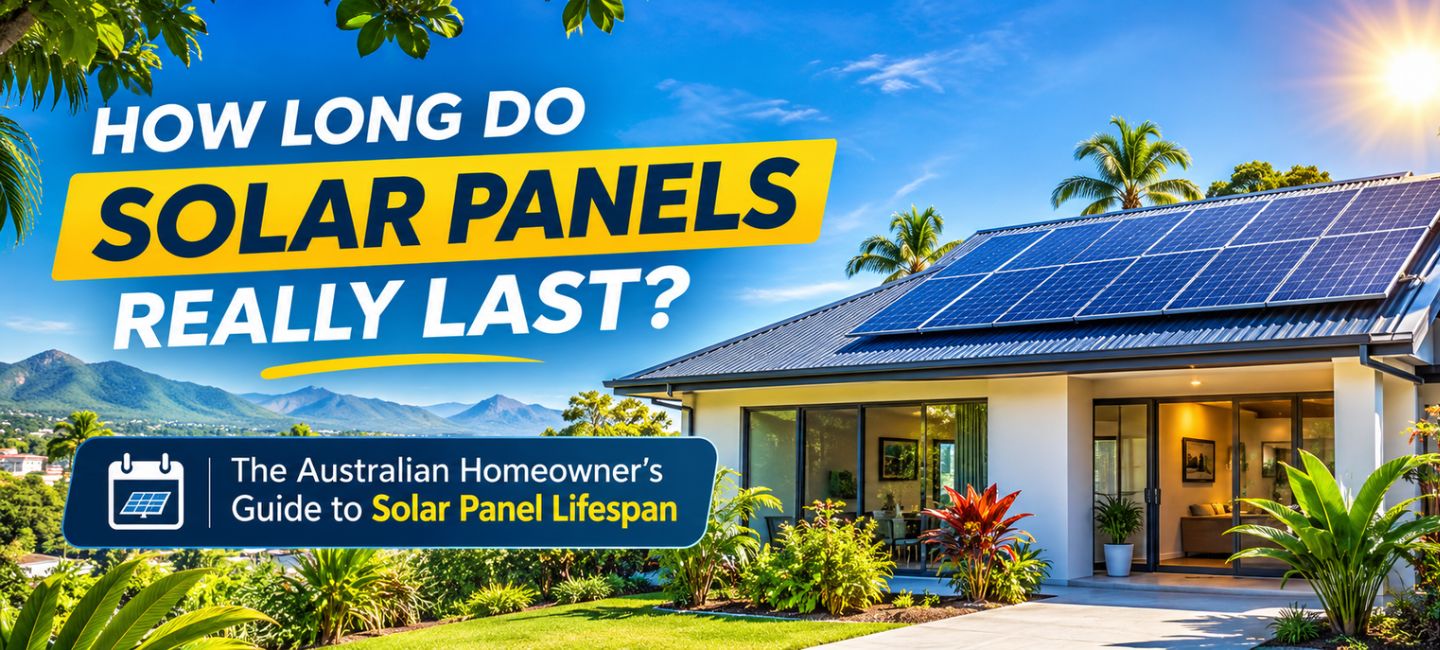
How Long Do Residential Solar Panels Really Last in Australia?
Installing solar panels is a significant investment for Australian homeowners. Whether you're looking to reduce electricity bills, become less dependent on the grid or make better use of Queensland's sunshine, one question naturally comes to mind: How long will your solar panels actually last?
Solar panels are designed to operate for decades, but that doesn't mean their electricity production will remain exactly the same throughout their lifetime. Like most technology, solar panels gradually lose some performance as they age.
The good news is that many modern residential solar panels are designed to deliver electricity for 25 to 30 years or longer. With suitable equipment, professional installation and appropriate maintenance, your solar investment can continue providing value well beyond its initial warranty period.
But what determines how long solar panels last? Does Australia's hot climate affect their lifespan? And how do you know when your existing solar system needs attention or replacement?
In this guide, we'll explore everything Australian homeowners should know about residential solar panel lifespan, performance degradation, maintenance and replacement.
1. How Long Do Solar Panels Typically Last in Australia?
Most modern residential solar panels are designed to operate for approximately 25 to 30 years or more. However, their actual lifespan depends on several factors, including manufacturing quality, installation standards, environmental conditions and ongoing maintenance.
It's important to understand that reaching the end of a panel's performance warranty does not automatically mean the panel stops working.
Solar panels generally continue generating electricity as they age, although their output gradually decreases. A panel that has been operating for 25 years may still produce useful electricity, even if its output is lower than when it was first installed.
Typical Solar Panel Lifespan at a Glance
| Solar Component | Typical Service Life |
|---|---|
| Solar Panels | Approximately 25–30 years or longer |
| Solar Inverter | Often around 10–15 years, depending on the model and conditions |
| Solar Mounting System | Designed for long-term use; lifespan depends on materials and environmental exposure |
| Solar Monitoring Equipment | Varies depending on the equipment and software support |
| Solar Battery | Often around 10–15 years, depending on chemistry, usage and warranty |
Important: These are general planning estimates, not guaranteed lifespans. Individual products have different specifications, warranties and operating conditions.
2. Why Do Solar Panels Lose Performance Over Time?
Solar panels gradually lose some of their electricity-generating capability as they age. This process is known as solar panel degradation.
Solar cells are exposed to sunlight, heat, moisture and changing weather conditions throughout their operating life. Over time, these environmental factors can affect the materials and electrical characteristics inside a panel.
What Is Solar Panel Degradation?
Degradation refers to the gradual reduction in a solar panel's power output over time compared with its original rated capacity.
For example, imagine a solar panel originally rated at 400 watts. After many years of operation, its actual output under comparable test conditions may be lower because of natural degradation.
Many modern panels have performance warranties that specify a minimum remaining output after a defined period. The exact rate and warranty conditions vary by manufacturer and product.
What Causes Solar Panel Degradation?
- UV exposure: Long-term exposure to sunlight can gradually affect certain panel materials.
- Temperature changes: Repeated heating and cooling can place stress on panel components.
- Moisture: Water ingress or moisture-related material deterioration can affect panel reliability.
- Mechanical stress: Wind, hail and other physical impacts can damage panels.
- Material ageing: Encapsulants, backsheets, electrical connections and other components can deteriorate over time.
- Environmental exposure: Salt, dust and pollution can contribute to maintenance requirements and component wear.
Not every panel experiences the same degradation rate. Product design, manufacturing quality and installation conditions all make a difference.
3. How Much Electricity Do Solar Panels Lose Each Year?
One of the most common concerns among homeowners is how much solar panel performance decreases over time.
Many modern solar panels have specified annual degradation rates in the region of approximately 0.3% to 0.5%, although actual rates vary by product and manufacturer.
To understand what this means, consider a hypothetical solar panel that starts at 100% of its original rated output and experiences 0.5% degradation each year.
Illustrative Solar Panel Performance Over Time
| Operating Period | Illustrative Remaining Output |
|---|---|
| At Installation | 100% |
| After 5 Years | Approximately 97.5% |
| After 10 Years | Approximately 95% |
| After 15 Years | Approximately 92.5% |
| After 20 Years | Approximately 90% |
| After 25 Years | Approximately 87.5% |
| After 30 Years | Approximately 85% |
Note: This is a simplified illustration using a constant 0.5 percentage-point annual reduction from the original output. Actual degradation may follow a different pattern. Some manufacturers calculate performance warranties using a compounded or stepped degradation schedule.
The key takeaway is that solar panels do not suddenly stop working after 20 or 25 years. They can continue producing electricity, although their output may gradually decline.
4. Does Australia's Climate Affect Solar Panel Lifespan?
Australia receives abundant sunlight, making rooftop solar an attractive option for many households. However, different regions experience different environmental conditions, and these can influence solar system performance and durability.
For homeowners in Cairns and North Queensland, tropical weather conditions deserve particular attention.
How Different Weather Conditions Affect Solar Panels
High Temperatures
Solar panels generate electricity from sunlight, but their electrical output generally decreases as their operating temperature rises. Repeated exposure to high temperatures can also contribute to long-term material ageing.
Choosing suitable equipment and ensuring appropriate installation clearances and ventilation can help support reliable operation.
Heavy Rainfall and Humidity
North Queensland experiences periods of heavy rainfall and high humidity. Solar panels are designed for outdoor use, but poor installation, damaged components or compromised seals can create problems over time.
Proper installation, suitable equipment and periodic inspections can help identify potential issues.
Strong Winds and Storms
Severe weather can place stress on rooftop solar installations. Strong winds, flying debris and hail may damage panels or mounting components.
The mounting system and installation design should account for the relevant building requirements and local wind-loading conditions.
Salt and Coastal Conditions
Homes near the coast may experience greater exposure to airborne salt. Depending on the product specifications and installation environment, this can increase the importance of selecting suitable materials and checking electrical and mounting components.
For Cairns homeowners, a solar system should be selected and installed with the local tropical environment in mind, not simply based on its advertised price or panel capacity.
5. What Factors Determine the Lifespan of Residential Solar Panels?
Two homeowners can install solar systems around the same time but experience different results over the years. That's because a solar system's lifespan depends on more than just the panel brand.
1. Solar Panel Quality
Manufacturing standards, materials, product design and quality control can influence long-term durability. Compare product specifications and warranty conditions rather than relying on brand reputation or price alone.
2. Installation Quality
Incorrect mounting, poor cable management, unsuitable roof attachments and inadequate weatherproofing can create problems that affect the wider solar installation.
3. Roof Condition
Your roof should be assessed before solar installation. Existing leaks, damaged roofing materials or structural concerns should be addressed where necessary.
4. Inverter Performance
The inverter is responsible for converting the electricity generated by solar panels into usable electricity for your home. Inverters have different operating lifespans and may need replacement before the panels themselves.
5. Weather Exposure
Heat, humidity, storms, dust and coastal salt exposure can influence the operating environment of solar equipment.
6. Maintenance and Monitoring
Monitoring system performance and arranging inspections when necessary can help identify faults before they become more serious.
6. How to Make Your Solar Panels Last Longer
Although solar panels are designed to operate outdoors with limited intervention, homeowners can take practical steps to protect their investment.
Follow These Solar Maintenance Tips
- Monitor electricity generation: Check your monitoring application or inverter display regularly for unusual changes in output.
- Keep an eye on shading: Tree growth or new structures can reduce sunlight reaching your panels.
- Arrange periodic inspections: Have a suitably qualified professional inspect the system when needed.
- Check for visible damage: Look for obvious signs of cracked glass, loose components or damaged cabling from a safe location.
- Maintain the surrounding area: Where appropriate, manage overhanging branches and other sources of shading.
- Follow manufacturer guidance: Use the recommended maintenance procedures for your specific equipment.
- Address faults promptly: Do not ignore warning lights, inverter error messages or unexplained generation drops.
Safety reminder: Never climb onto your roof or attempt to repair electrical solar equipment yourself. Solar systems can remain electrically active during daylight. Use appropriately qualified professionals for inspections, cleaning where access is difficult and repairs.
7. How Often Should You Clean Solar Panels in Australia?
Dust, leaves, bird droppings and other debris can accumulate on solar panels and reduce the amount of sunlight reaching the cells.
Rain can remove some surface dirt, but it does not always clean panels completely. The amount of cleaning required depends on your property's location, roof angle, surrounding vegetation and environmental conditions.
When Should You Consider Cleaning Your Panels?
- When visible dirt or bird droppings are affecting panel surfaces.
- When nearby trees or vegetation cause debris to accumulate.
- When monitoring indicates an unexplained reduction in generation.
- When your installer or manufacturer recommends cleaning.
There is no single cleaning schedule that suits every Australian home. Check the manufacturer's instructions and use a safe, appropriate cleaning method. For difficult roof access, professional cleaning is the safer option.
Never use abrasive materials, harsh chemicals or high-pressure cleaning unless specifically permitted by the manufacturer.
8. How Long Does a Solar Inverter Last?
While solar panels can operate for 25 to 30 years or longer, the inverter may need attention or replacement earlier.
Many residential solar inverters have an expected service life of around 10 to 15 years, although this varies with the model, operating conditions, installation and maintenance.
Signs Your Solar Inverter May Need Attention
- Repeated error messages or warning lights.
- Unexpected shutdowns or interruptions.
- A noticeable and unexplained drop in electricity generation.
- Unusual noises or signs of overheating.
- Monitoring data showing inconsistent operation.
An inverter fault does not necessarily mean your solar panels need replacing. In many situations, the panels may continue to operate with a suitable replacement inverter.
Before replacing any equipment, arrange an assessment by an appropriately qualified solar professional.
9. When Should You Replace Your Residential Solar Panels?
Age alone is not a reason to replace a solar panel system. A well-maintained installation may continue generating useful electricity after its original performance warranty period has ended.
However, there are situations where repairing, upgrading or replacing an older system may make financial and practical sense.
Signs Your Solar System May Need an Upgrade
- Significant performance decline: Electricity generation has fallen and the cause cannot be resolved through routine maintenance or repairs.
- Repeated equipment faults: The system experiences frequent failures or requires ongoing repairs.
- Physical damage: Panels or electrical components have been damaged by severe weather or other events.
- Outdated technology: Newer equipment may offer features or performance advantages that suit your household better.
- Changing energy requirements: Your household now uses more electricity because of air conditioning, electric vehicles or other appliances.
- Repair costs: The cost of restoring an older system may make a replacement worth considering.
Before replacing the entire system, ask a professional to assess whether individual components can be repaired or upgraded.
10. Is It Worth Upgrading an Old Solar System in Australia?
If your existing solar system is 10, 15 or even 20 years old, you may be wondering whether upgrading is worthwhile.
The answer depends on your current system's condition, electricity usage, energy tariffs, available roof space and the cost of a new installation.
Reasons Homeowners Consider Solar Upgrades
- Higher electricity consumption than when the original system was installed.
- Interest in adding solar battery storage.
- Desire for improved monitoring and system management.
- Frequent inverter or equipment problems.
- Availability of newer solar technology that better suits the property.
However, an upgrade should not be based on technology trends alone. Compare the expected benefits against the complete cost, including any electrical upgrades, network requirements and applicable approvals.
A professional solar assessment can help determine whether maintaining, upgrading or replacing your existing system is the most suitable option.
11. Solar Panel Warranty vs Actual Lifespan: What's the Difference?
Many homeowners assume that a 25-year solar panel warranty means the panel will stop working after 25 years. This is not how solar warranties generally work.
A warranty is a contractual commitment that applies under specified conditions. Actual equipment lifespan is the period during which the product continues to operate usefully.
Understand the Main Solar Warranties
| Warranty Type | What It Generally Covers |
|---|---|
| Product Warranty | Specified manufacturing defects and product faults. |
| Performance Warranty | Specified minimum power output over a defined period. |
| Inverter Warranty | Specified defects and faults affecting the inverter. |
| Installation Workmanship Warranty | Specified defects associated with installation work. |
Warranty periods and exclusions differ between manufacturers and installers. Always review the actual documentation, including claim procedures, transfer conditions and the party responsible for providing support.
Remember: A longer advertised warranty is useful only when you understand what it covers and how to make a claim.
12. Frequently Asked Questions About Solar Panel Lifespan in Australia
1. How many years do residential solar panels last in Australia?
Many modern residential solar panels are designed to operate for approximately 25 to 30 years or longer. Their actual lifespan depends on product quality, installation, environmental conditions and maintenance.
2. Do solar panels stop working after 25 years?
No. A 25-year performance warranty does not mean panels automatically stop generating electricity after 25 years. They may continue producing electricity, although their output is likely to have decreased over time.
3. Do solar panels lose efficiency every year?
Solar panels generally experience gradual performance degradation. Many modern products specify annual degradation rates around 0.3% to 0.5%, but the actual figure depends on the panel model and manufacturer.
4. Does hot weather reduce solar panel lifespan?
High operating temperatures can reduce immediate electricity output and contribute to long-term material ageing. Selecting suitable equipment and ensuring professional installation can help support reliable operation.
5. How long does a solar inverter last?
Many residential solar inverters have an expected service life of approximately 10 to 15 years. Actual lifespan varies depending on product quality, installation, operating conditions and maintenance.
6. Do solar panels need regular maintenance?
Solar panels generally require relatively little maintenance, but homeowners should monitor system performance and arrange inspections when necessary. Cleaning requirements depend on local environmental conditions and manufacturer guidance.
7. Can solar panels last longer than 30 years?
Yes. Some solar panels can continue generating electricity beyond 30 years. However, their output, reliability and remaining useful life will depend on their condition and operating history.
8. Are solar panels suitable for Cairns and North Queensland?
Solar panels can be suitable for homes in Cairns and North Queensland. The system should be designed with local conditions in mind, including heat, humidity, rainfall, wind exposure and coastal environments where relevant.
9. Should I replace my solar panels after their warranty expires?
Not necessarily. A panel may continue working after its warranty period ends. Consider its actual performance, physical condition, repair requirements and the cost-benefit of replacement before making a decision.
10. Can I add a solar battery to an existing solar system?
In many cases, a battery can be added to an existing solar installation, but compatibility depends on the inverter, system configuration, battery technology and electrical requirements. A professional assessment is recommended.
Conclusion: A Quality Solar System Can Power Your Home for Decades
Residential solar panels are designed to be a long-term investment. Many modern panels can operate for 25 to 30 years or longer, gradually losing some of their original electricity-generating capacity rather than suddenly stopping at the end of a warranty period.
However, the lifespan of your complete solar installation depends on more than the panels themselves. Inverter performance, installation quality, weather exposure, maintenance and equipment warranties all play an important role.
For Australian homeowners, especially those living in tropical regions such as Cairns and North Queensland, selecting equipment suitable for local conditions and arranging professional installation can help protect the value of a solar investment.
The smartest solar investment isn't simply about how much electricity your panels generate today. It's about choosing a system designed to deliver dependable performance for years to come.
Looking for a Reliable Residential Solar Solution in Cairns?
At Sunny Gold Solar, we understand that choosing a residential solar system is about more than installing panels on your roof. It's about finding a solution that suits your household's electricity consumption, property and long-term energy goals.
Whether you're considering your first solar installation, upgrading an older system or exploring solar battery storage, choosing the right equipment and system design is an important first step.
Our team can help you explore suitable solar solutions for your home in Cairns and across North Queensland.
Contact Sunny Gold Solar today to discuss your residential solar requirements and take the next step towards smarter energy use.
Make the most of Queensland's sunshine with a solar solution designed for the long term.