
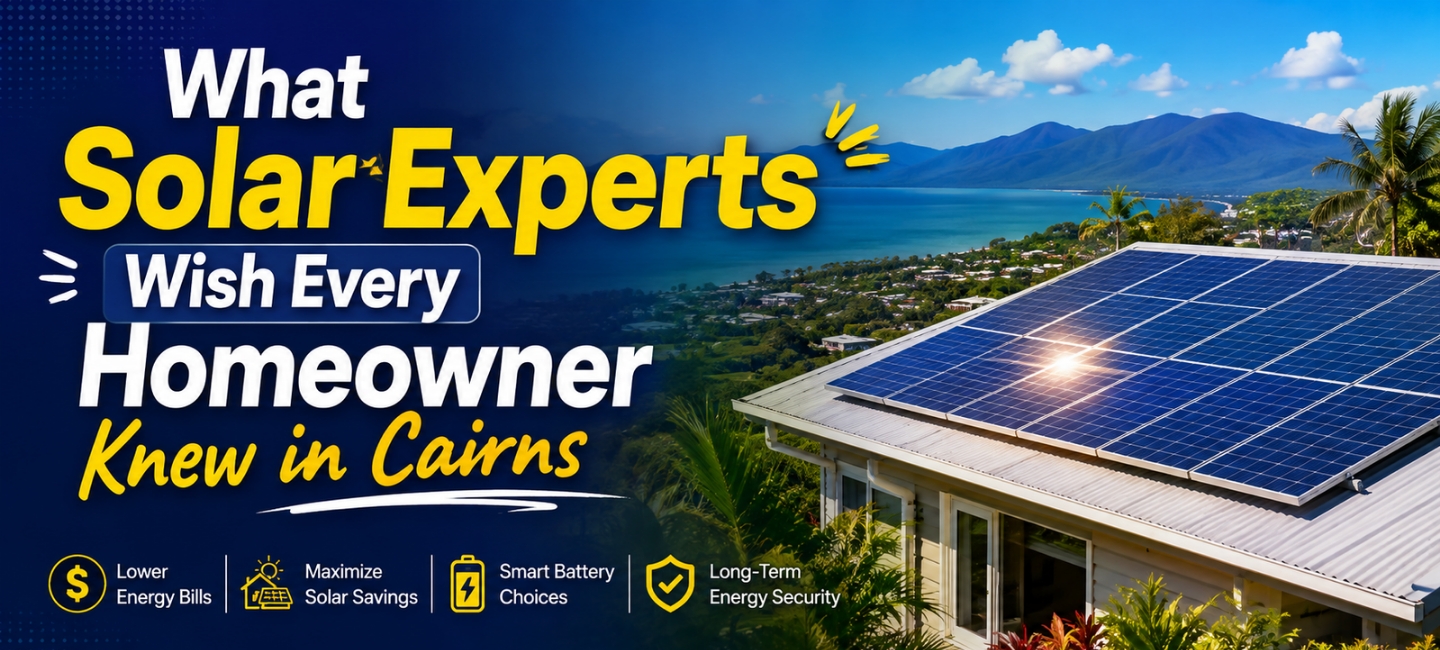
What Solar Experts Wish Every Homeowner Knew in Cairns
The Truth About Solar That Could Save You Thousands Before You Buy
Many Cairns homeowners believe installing solar panels is as simple as putting panels on the roof and watching electricity bills disappear. While solar energy is one of the smartest investments you can make, the reality is that the biggest savings come from making informed decisions before installation—not after.
If you've been thinking about switching to solar power, there are several important facts that experienced solar professionals wish every homeowner understood. These insights can help you avoid expensive mistakes, maximize your return on investment, and enjoy decades of clean, affordable energy.
Whether you're exploring solar for the first time or comparing different installers, this guide will explain everything in simple language—without confusing technical jargon.
Why Cairns Is One of Australia's Best Places for Solar
One reason experts love working in Cairns is simple:
The sunshine is incredibly consistent.
North Queensland receives abundant sunshine throughout the year, making it an ideal location for residential solar systems.
Cairns homeowners enjoy:
- High annual sunshine hours
- Excellent solar energy production
- Lower dependence on the electricity grid
- Faster return on investment
- Reduced carbon footprint
Because of these natural advantages, a properly designed solar system can generate significant electricity almost every day of the year.
The Biggest Mistake Homeowners Make
Most homeowners focus on only one thing:
"What's the cheapest solar system available?"
Solar experts say this is often the biggest mistake. A cheaper system might include: A quality solar system may cost slightly more initially but often produces substantially more electricity over its lifetime, resulting in greater long-term savings. Remember: Cheap installation can become expensive after a few years. Many people assume installing the biggest solar system possible guarantees the largest savings. That's not always true. Solar professionals first examine: A correctly sized system usually delivers better financial returns than an oversized system. For example: A family using electricity mainly during daylight hours may achieve excellent savings with a medium-sized system rather than paying extra for unnecessary capacity. Not every roof performs the same. Before installation, professionals evaluate: Roof Direction North-facing roofs generally receive the most sunlight. East and west-facing roofs also perform well, especially when electricity usage occurs during morning or afternoon. Roof Pitch
Bigger Isn't Always Better
Your Roof Matters More Than You Think
The angle of the roof affects how efficiently sunlight reaches the panels throughout the year.
Shading
Trees, chimneys, neighbouring buildings, antennas, and even satellite dishes can reduce energy production.
Even partial shading on one section can lower the performance of an entire string of panels if the system isn't designed correctly.
Not All Solar Panels Are Equal
Many homeowners think solar panels are almost identical.
They're not.
Solar experts compare panels based on:
- Efficiency
- Durability
- Performance in hot climates
- Product warranty
- Performance warranty
- Manufacturer reputation
Since Cairns experiences high temperatures and humidity, choosing panels designed for tropical environments is especially important.
Higher-quality panels generally maintain better performance during extremely hot summer days.
The Inverter Is the Heart of Your Solar System
If solar panels collect sunlight, the inverter converts it into usable electricity for your home.
Experts often say:
"Panels get the attention. Inverters do the real work."
Choosing a quality inverter helps ensure:
- Better efficiency
- Real-time monitoring
- Reliable performance
- Longer system lifespan
- Easier troubleshooting
Investing in a trusted inverter is one of the smartest decisions homeowners can make.
Solar Doesn't Eliminate Every Electricity Bill
This surprises many homeowners. Solar greatly reduces electricity costs, but your bill may not always be zero. Several factors influence your final bill:
- Night-time electricity use
- Cloudy weather
- Seasonal consumption
- Air conditioner usage
- Electric vehicle charging
- Battery storage
- Feed-in tariff rates
The goal isn't necessarily a zero bill. The goal is to dramatically reduce annual electricity expenses.
Battery Storage: Should You Buy One?
Battery technology has improved rapidly. However, not every household needs a battery immediately. A battery can be beneficial if you:
- Use significant electricity at night
- Experience frequent power outages
- Want greater energy independence
- Plan to purchase an electric vehicle
- Prefer storing excess solar energy
Many experts recommend installing solar panels first and adding battery storage later if your usage justifies the investment.
Your Electricity Habits Matter
Solar doesn't just depend on equipment. It also depends on how you use electricity. Experts recommend running high-energy appliances during daylight hours.
Examples include:
- Washing machines
- Dishwashers
- Pool pumps
- Water heaters
- Clothes dryers
Using electricity while your solar panels are generating power reduces the amount purchased from the grid.
This simple habit can significantly increase annual savings.
Monitoring Your Solar System Is Essential
Many homeowners install solar and never check its performance again. That's a mistake. Modern monitoring apps allow homeowners to track:
- Daily energy production
- Monthly savings
- Electricity consumption
- System health
- Fault notifications
Regular monitoring helps identify problems early before they affect energy production.
Cleaning Matters More in Cairns
North Queensland's tropical climate brings:
- Dust
- Pollen
- Bird droppings
- Leaves
- Heavy rainfall
- Humidity
While rain helps clean panels naturally, it doesn't remove everything. Occasional professional cleaning helps maintain optimal performance. Experts recommend periodic inspections to ensure debris isn't reducing efficiency.
Quality Installation Is Just as Important as Quality Equipment
Even premium solar panels won't perform well if installed incorrectly. Professional installers carefully consider:
- Panel positioning
- Cable management
- Waterproof sealing
- Roof integrity
- Electrical safety
- Future maintenance access
Choosing experienced installers often makes a greater difference than choosing the most expensive equipment.
Solar Warranties Are Often Misunderstood
Many homeowners assume all warranties are the same. In reality, there are different types:
Product Warranty
Protects against manufacturing defects.
Performance Warranty
Guarantees the panel maintains a certain level of output over time.
Installation Warranty
Covers workmanship provided by the installer. Understanding these differences helps homeowners compare quotes more accurately.
Don't Ignore Future Energy Needs
Solar experts always ask:
"What will your home look like five years from now?"
Future changes may include:
- Electric vehicles
- Home extensions
- Swimming pools
- Air conditioning upgrades
- Family growth
- Home office expansion
Planning ahead avoids expensive upgrades later.
Understanding Feed-in Tariffs
Many homeowners believe selling electricity back to the grid generates large profits. Today's reality is different. Feed-in tariffs have reduced over time. Experts recommend focusing on:
Using your own solar electricity first
Self-consumption usually delivers greater financial value than exporting excess electricity.
Common Myths That Still Confuse Homeowners
Myth 1: Solar Doesn't Work on Cloudy Days
False.
Solar panels still generate electricity during cloudy weather—just at reduced output.
Myth 2: Solar Requires Constant Maintenance
False.
Solar systems require relatively little maintenance compared to many household appliances.
Myth 3: Every Home Needs a Battery
False.
Many households achieve excellent savings without one.
Myth 4: Solar Panels Damage Your Roof
False.
Professional installation protects roof integrity.
Myth 5: Solar Is Too Expensive
Not anymore.
With financing options and long-term savings, solar has become increasingly accessible for many Australian homeowners.
Questions Every Homeowner Should Ask Before Installing Solar
Before signing a contract, ask:
- Is this system correctly sized for my home?
- Which inverter brand do you recommend and why?
- What warranties are included?
- Will shading affect performance?
- Can I monitor my system through an app?
- What maintenance is recommended?
- Can batteries be added later?
- How much electricity will I realistically save?
- Are all installation costs included?
- How long is the workmanship warranty?
These questions help you make an informed decision and compare quotes effectively.
Step-by-Step Guide Before Buying Solar
Step 1
Review your electricity bills from the past 12 months.
Step 2
Understand when your household uses the most electricity.
Step 3
Get quotes from reputable local installers.
Step 4
Compare system quality—not just price.
Step 5
Review warranties carefully.
Step 6
Ask about monitoring software.
Step 7
Consider future energy requirements.
Step 8
Choose long-term value over the lowest upfront cost.
Why Local Experience Matters in Cairns
Cairns has unique environmental conditions, including:
- Tropical heat
- High humidity
- Seasonal rainfall
- Coastal salt exposure
- Cyclone considerations
A local installer understands these conditions and can recommend equipment and installation methods suited to North Queensland's climate.
This local knowledge can improve system durability and performance over many years.
Final Thoughts
Solar power is one of the smartest investments available to Cairns homeowners—but success depends on more than simply buying solar panels.
The best outcomes come from:
- Choosing quality equipment
- Working with experienced local professionals
- Understanding your electricity usage
- Planning for future needs
- Monitoring your system after installation
- Prioritizing long-term value over short-term savings
By understanding what solar experts know, you can make confident decisions that lead to lower electricity bills, increased property value, and a cleaner, more sustainable future.
Key Takeaways
- Cairns offers outstanding conditions for residential solar.
- Quality installation matters just as much as quality equipment.
- The cheapest quote is rarely the best value.
- Solar batteries are helpful but not essential for every household.
- Monitoring your system maximizes long-term performance.
- Planning for future electricity needs saves money later.
- Using more solar power during the day increases your savings.
Ready to Make the Switch?
If you're considering solar for your Cairns home, start by arranging a professional site assessment and comparing quality-focused solutions-not just prices.