
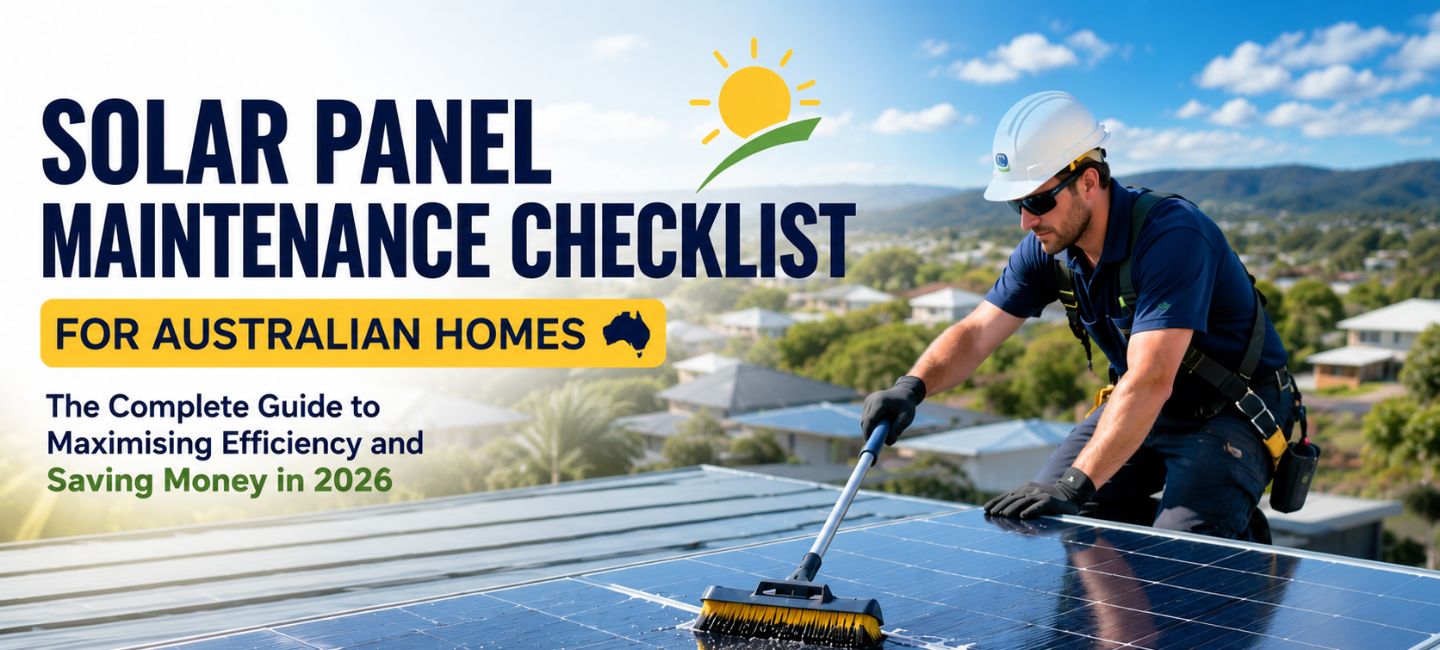
Solar Panel Maintenance Checklist for Australian Homes: The Complete Guide to Maximising Efficiency and Saving Money in 2026 Keep Your Solar Panels Performing at Their Best with This Easy Maintenance Checklist
Description
Have you invested in solar panels for your Australian home? Great choice! But did you know that even the best solar panels need regular maintenance to perform at their peak?
Many homeowners assume solar panels are completely maintenance-free. While they require far less upkeep than many other home systems, neglecting basic maintenance can reduce energy production, shorten system lifespan, and increase electricity bills. In this comprehensive guide, you'll discover the ultimate Solar Panel Maintenance Checklist for Australian Homes, including seasonal maintenance tips, cleaning recommendations, common problems to watch for, safety advice, and expert maintenance practices specifically designed for Australia's unique climate.
Whether you live in Cairns, Brisbane, Sydney, Melbourne, Perth, Adelaide, or regional Australia, this guide will help you protect your investment and maximise your solar savings.
Why Solar Panel Maintenance Matters
Installing solar panels is one of the smartest investments Australian homeowners can make. However, like any valuable asset, they perform best when properly maintained.
A clean, healthy solar system offers numerous benefits:
- Higher electricity generation
- Lower energy bills
- Longer system lifespan
- Better return on investment
- Improved safety
- Reduced risk of expensive repairs
- Greater reliability during extreme Australian weather
Did You Know?
Even a thin layer of dust, pollen, bird droppings, or leaves can reduce solar panel efficiency by 5% to 25%, depending on local conditions.
How Often Should Solar Panels Be Maintained?
Australia experiences diverse climates—from tropical humidity in North Queensland to dry inland regions and coastal salt exposure.
As a general guideline:
- Visual inspection: Monthly
- Basic cleaning: Every 6–12 months
- Professional inspection: Once every year
- After severe storms or hail: Immediately inspect
Homes located near:
- Beaches
- Construction sites
- Farms
- Busy roads
- Large trees
may require more frequent cleaning.
Complete Solar Panel Maintenance Checklist
1. Inspect Solar Panels for Dirt and Debris
One of the easiest maintenance tasks is simply looking at your panels.
Check for:
- Dust buildup
- Leaves
- Bird droppings
- Tree sap
- Pollen
- Moss
- Lichen
These materials block sunlight from reaching the solar cells.
Action Tip
If dirt visibly covers parts of the panels, schedule a cleaning before performance drops significantly.
2. Monitor Your Solar Energy Production
Modern solar systems include monitoring apps.
Check your:
- Daily production
- Weekly generation
- Monthly trends
- Annual performance
If you notice a sudden drop in electricity generation without cloudy weather, investigate further.
Possible causes include:
- Dirty panels
- Faulty inverter
- Damaged wiring
- Shading
- Equipment failure
Monitoring your output regularly helps identify problems early.
3. Check for New Shade
Trees grow surprisingly fast.
Walk around your property and check if:
- New branches block sunlight
- Neighboring trees cast shadows
- New buildings affect exposure
Even partial shading can significantly reduce system performance.
Consider professional tree trimming if necessary.
4. Examine the Solar Panels for Damage
Look carefully for:
- Cracks
- Chips
- Broken glass
- Burn marks
- Discoloration
- Moisture inside panels
Small cracks can worsen over time, especially after Australia's hot summers and heavy rain. Never climb onto your roof unless you have the proper safety equipment. Use binoculars or inspect from ground level where possible.
5. Inspect Mounting Hardware
Your panels rely on secure mounting brackets.
Check for:
- Loose bolts
- Rust
- Corrosion
- Bent frames
- Movement after storms
Australia's high winds and cyclones in northern regions can loosen mounting systems over time.
6. Inspect Electrical Components
Electrical parts should be visually checked.
Look for:
- Loose cables
- Animal damage
- Exposed wires
- Corrosion
- Burn marks
If you notice anything unusual:
Do not attempt electrical repairs yourself.
Always contact a licensed solar technician.
7. Check the Solar Inverter
Your inverter is the heart of your solar system.
Look for:
- Green operating light
- Error messages
- Warning symbols
- Unusual noises
- Overheating
Most inverter failures begin with warning indicators.
Read your inverter display at least once each month.
8. Keep Nearby Trees Trimmed
Tree branches create:
- Shade
- Falling leaves
- Bird activity
- Increased cleaning requirements
Maintaining clear sunlight exposure helps maximise electricity production throughout the year.
9. Look for Pest Activity
Birds, possums, rodents, and insects sometimes nest beneath solar panels.
Signs include:
- Nesting material
- Droppings
- Chewed wiring
- Strange noises
Professional bird-proofing can prevent future issues.
10. Schedule Annual Professional Maintenance
Even if everything appears normal, a yearly inspection provides peace of mind.
Professional technicians typically inspect:
- Electrical safety
- System efficiency
- Panel condition
- Wiring
- Earthing
- Inverter health
- Mounting system
- Performance testing
Annual servicing often identifies hidden issues before they become costly repairs.
Seasonal Solar Panel Maintenance Tips
Summer Maintenance
Australian summers bring:
- Dust
- Heat
- Storms
- Bushfire smoke
Checklist:
- Remove dust buildup
- Check for overheating
- Monitor inverter ventilation
- Inspect after storms
Autumn Maintenance
Falling leaves create shading problems.
Tasks include:
- Remove leaves
- Clean gutters
- Trim nearby trees
- Inspect after windy days
Winter Maintenance
Although Australia has mild winters compared to many countries, maintenance remains important.
Inspect for:
- Moisture
- Reduced generation
- Storm damage
- Loose mounting hardware
Spring Maintenance
Spring pollen can coat panels surprisingly quickly.
Recommended actions:
- Wash panels if needed
- Monitor production increases
- Prepare for summer heat
How to Clean Solar Panels Safely
Cleaning is one of the most misunderstood aspects of solar maintenance.
Safe Cleaning Steps
- Turn off the solar system if recommended by the manufacturer.
- Clean during early morning or late afternoon.
- Use clean water.
- Use a soft sponge or microfiber cloth.
- Gently remove dirt.
- Rinse thoroughly.
- Allow panels to dry naturally.
Avoid These Mistakes
Never use:
- Pressure washers
- Abrasive brushes
- Steel wool
- Strong chemicals
- Bleach
- Detergents containing ammonia
These products may damage the protective coating on solar panels.
Should You Hire Professional Solar Panel Cleaning Services?
Many homeowners ask whether professional cleaning is worth the cost.
Professional cleaning is recommended if:
- Your roof is steep
- Panels are difficult to access
- Heavy dirt buildup exists
- Bird droppings cover panels
- You live near the ocean
- Safety is a concern
Professionals also inspect your system while cleaning, providing additional value.
Common Solar Panel Problems Australian Homeowners Face
Understanding common issues helps prevent unexpected breakdowns.
Dirty Panels
The most common cause of reduced performance.
Symptoms:
- Lower energy production
- Uneven dirt patterns
- Visible dust
Inverter Failure
Signs include:
- Flashing warning lights
- No electricity generation
- Error codes
Hot Spots
Hot spots occur when one part of a panel overheats.
Causes include:
- Dirt
- Damage
- Manufacturing defects
Professional inspection is required.
Loose Wiring
Can result from:
- Storms
- Animals
- Aging components
Never touch exposed wiring.
Water Damage
Although panels are weatherproof, damaged seals can allow moisture inside.
Signs include:
- Fogging
- Condensation
- Reduced efficiency
Signs Your Solar System Needs Immediate Attention
Contact a solar professional if you notice:
- Sudden drop in electricity production
- Burning smell
- Cracked panels
- Flashing inverter errors
- Water inside panels
- Loose cables
- Panels moving in the wind.
Prompt repairs can prevent larger and more expensive problems.
Solar Maintenance Tips for Different Australian Climates
Tropical North Queensland
Common challenges:
- Heavy rain
- Humidity
- Cyclones
- Bird activity
Maintenance focus:
- Storm inspections
- Corrosion checks
- Frequent cleaning
Coastal Areas
Salt air accelerates corrosion.
Inspect:
- Mounting hardware
- Electrical connections
- Frames
Regular cleaning helps remove salt deposits.
Rural Australia
Dust is the biggest concern.
Recommended:
- More frequent cleaning
- Monthly visual inspections
Urban Areas
Watch for:
- Pollution
- Bird droppings
- Tree shade
Simple Monthly Maintenance Routine
Every month:
- Check solar production.
- Inspect the inverter.
- Look for dirt.
- Watch for shading.
- Inspect panels from the ground.
- Listen for unusual inverter sounds.
This routine takes less than 10 minutes and can help detect issues early.
Benefits of Regular Solar Panel Maintenance
Regular maintenance provides:
- Maximum solar efficiency
- Lower electricity bills
- Increased system lifespan
- Better return on investment
- Improved safety
- Fewer unexpected repairs
- Higher property value
- Reliable renewable energy generation
Considering the cost of installing a solar system, routine maintenance is a small effort that protects a significant investment.<\p>
Frequently Asked Questions (FAQs)
Do solar panels need regular maintenance?
Yes. While solar panels require relatively little upkeep, regular inspections, occasional cleaning, and annual professional servicing help maintain peak performance and extend the life of the system.
Can rain clean solar panels?
Rain can wash away loose dust, but it usually does not remove stubborn dirt, bird droppings, tree sap, or heavy grime. Manual or professional cleaning may still be needed.
Is it safe to clean solar panels yourself?
Only if they are easily and safely accessible. Avoid climbing onto roofs without proper safety equipment. If in doubt, hire a qualified professional.
How long do solar panels last?
Most quality solar panels last 25–30 years or more, with gradual reductions in efficiency over time. Proper maintenance helps maximise their useful lifespan.
What is the biggest cause of reduced solar performance?
The most common causes are dirt buildup, shading from trees or buildings, faulty inverters, damaged panels, and poor system maintenance.